
The Baku to Belém Roadmap, published on November 5, lays out a pathway for achieving the goal set at COP29 to channel $1.3 trillion each year into developing countries for climate action by 2035. Written by the Azerbaijani and Brazilian presidencies and with inputs from multiple rounds of Party submissions as well as a report by the Brazil-convened Circle of Finance Ministers, the Roadmap represents the culmination of a year-long effort to bridge the gap between current actions and the ambition of the New Collective Quantified Goal (NCQG) agreed last year.
The Roadmap sets out what actions need to be taken for that to happen, clearly setting out what Parties, multilateral institutions, and the private sector need to do in the short term to get on the right path.
It identifies actions on five fronts:
- Increasing the most valuable forms of public support, including grants
- Addressing fiscal space and debt sustainability
- Transforming and reducing the cost of private finance
- Enhancing capacity building and coordination
- Reforming the financial system to channel equitable investments
While being clear on the need for a drastic increase in international public support, the new publication emphasises the necessary systemic reforms of the financial architecture that are often neglected in COP discussions, making clear that countries must take matching actions by fully integrating their national climate and finance policies, and ensure that the climate crisis is fully addressed when finance and economy decisions are made internationally. It spotlights the actions needed from wealthy countries and international financial institutions to respond to the needs of developing countries and to be accountable for delivery.
Thematic needs are also considered, across adaptation and loss and damage, energy, nature, agriculture and food systems, and just transition. Building further specificity, including on how financing can directly enable fossil fuel phase-out, will be important going forward
Perhaps most importantly, the Roadmap presents a series of short-term steps governments, multilateral institutions, and the private sector could take. Whether or not these specific ideas are taken up, implementation will be the true test of the Roadmap’s value. The focus must now pivot from words to action.
The Roadmap at COP30 and beyond
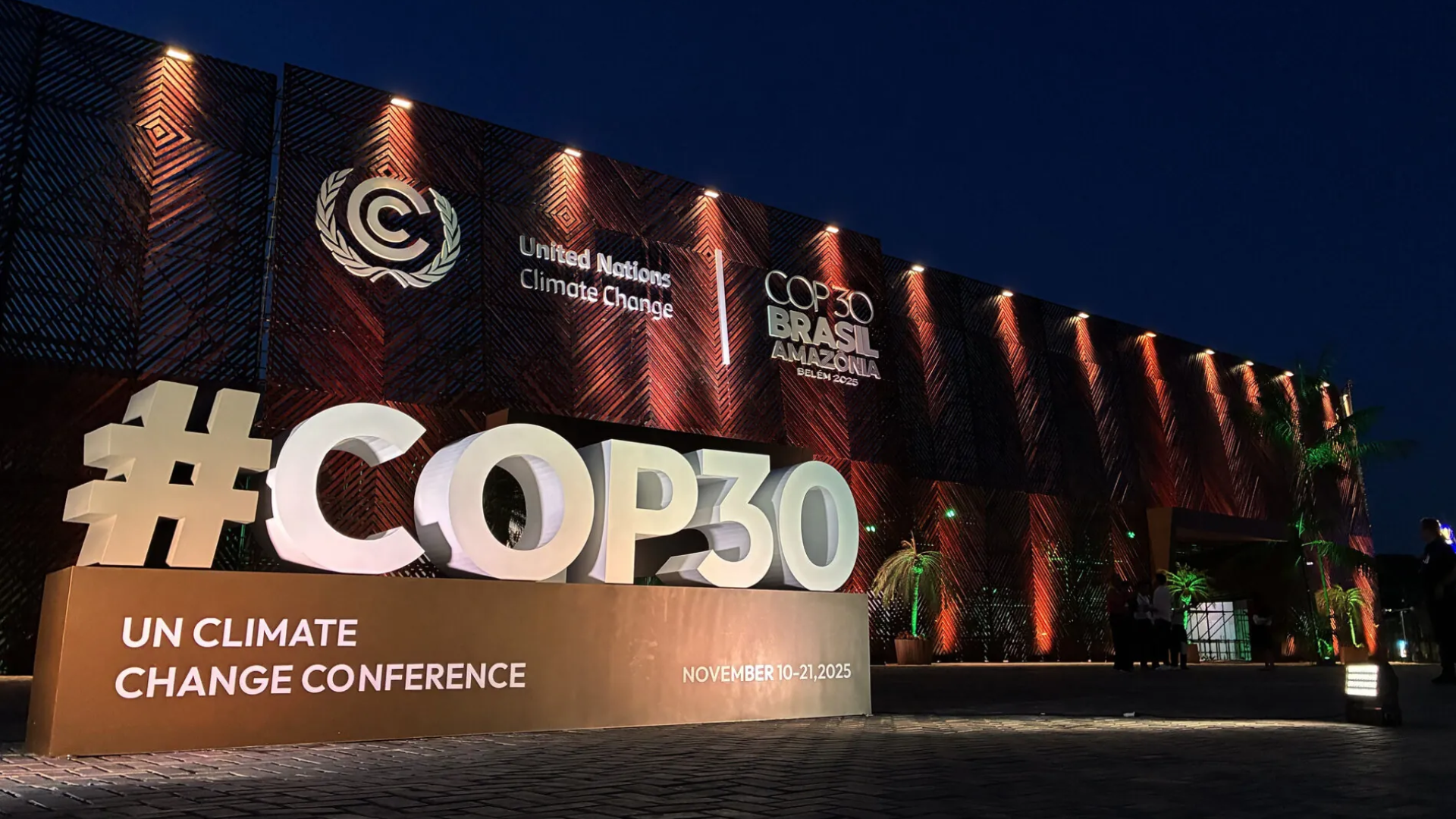
The immediate question facing Parties and the presidency at COP30 is how to reflect the Roadmap in the decisions at COP30. There is widespread agreement that the content of the Roadmap itself will not undergo line by line negotiation, but it is important that it is recognised by the COP as a collective agenda for actions that need to be taken to mobilise the requisite public and private finance in developing countries over the next decade. There are a variety of options for where the Roadmap could be “welcomed”, including in the Standing Committee on Finance decision or in a cover text, should Brazil choose to put one forward.
Even more important, however, is the question of how work will be taken forward to implement the Roadmap and how there will be accountability around this. Many of the actions included are not within the purview of the UNFCCC, or of the climate or foreign ministries that typically represent Parties at the negotiations. The incoming United States G20 presidency has made clear it will not pick up this work in 2026, leaving open the question of where finance ministries will collaborate. After a tumultuous 2025 in which many longstanding commitments to international co-operation have been tested to their limits, rebuilding momentum around the transition and the more immediate measures to start implementing the Roadmap will both be needed.
The Roadmap in context
The Baku to Belem Roadmap arrives at an inflection point for climate finance under the UNFCCC. The NCQG reflects the full range and scale of measures needed to meet developing country needs. An increase in international public finance will remain vital, particularly for funding adaptation and climate action in the most vulnerable countries. But this is just one of a diverse range of measures to mobilise and redirect investment to better serve people and planet.
At and beyond COP30, Parties will need to provide reassurance that public finance will continue to increase, both by coming forward with renewed climate finance commitments, and by ensuring there is sufficient space on the agenda to discuss those flows. At the same time, discussion of the alignment of all financial flows with the goals of the Paris Agreement (Article 2.1c) also needs a dedicated process under the Paris Agreement, which can recognise the role of the Roadmap within and alongside that overall effort.
COP30 is an opportunity to rebuild faith in multilateralism and to establish the architecture for a new generation of climate finance under the Paris Agreement, one that covers the full range of action needed: dedicated public support for scaled up investments in developing countries, and the alignment of global financial flows with climate objectives. The Baku to Belem Roadmap defines the territory and shows the way – countries now need to use it as a springboard to move forward.